I have a theory that to breathe is to live—and the more you breathe, like on a long mountain run, the more
you live. That sounds cosmic, but it’s really a simple statement: when you run up in beautiful country, breathing
all that clean air, there’s no better way to live ~ Micah True
Alarm buzz, still predawn dark.
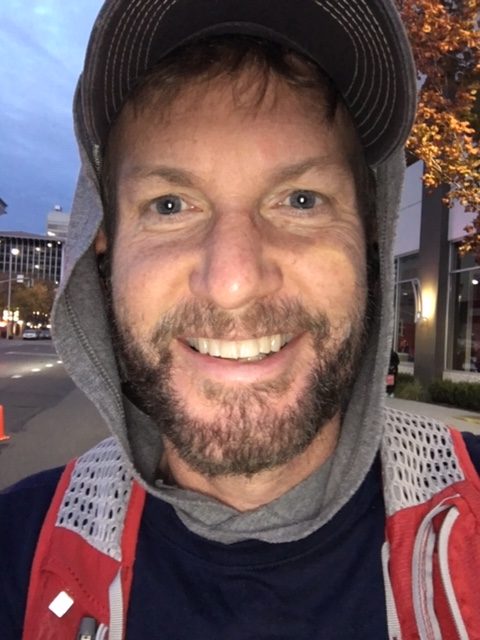
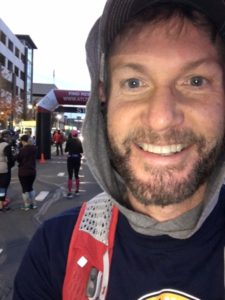 Run shorts & layers. That time of year. Ya gotta pack lil’ of everything. Heat, rain, sleet/drizzle, snow. Weather: one thing you can’t change. All part of the journey. Autumn 🍂
FOOD Network binge, Saturday room service, early to bed. Woke RESTED, ready to run!
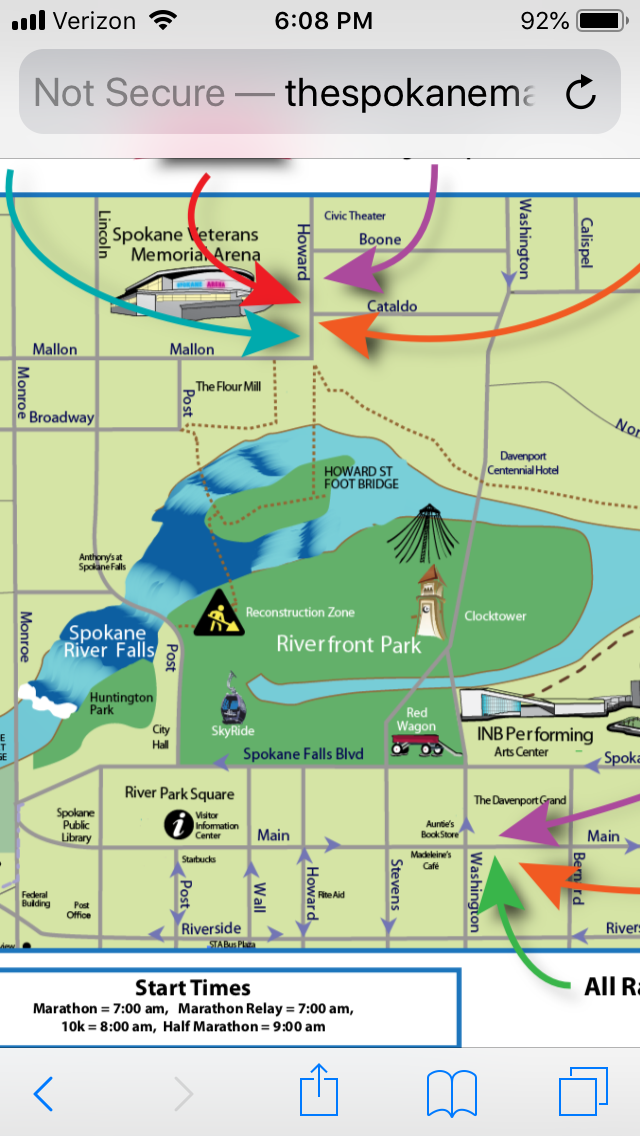
Backside of my first-class hotel, could see the START banner. Small group of folks bundled. Marathon-only; Halfers sleep ‘til 9. Music primed, ear buds readied, full stretch, pre-race prayer.
10 minutes to Start. Elevator, whew! COLD outside but…
NO RAIN. One of those grateful times weather folks get it wrong. Wind? Nope, not today. Pretty much perfect. Muted fall colour & last-minute race chatter. Queued, ready. GO GO GO!
5 miles of early-Sunday street. Air raw, never got warm. No pace bunny to keep me time-conscious. Next couple hours: Centennial Trail. Eye-candy tree cover; playlist of old-school country.
Mile 22: Doomsday Hill. Knew it was coming; well-timed WALK break – LOL> Two courses merged. Road-shared with the HALF, allowing both groups access UP Doomsday. double the LOVE ❤️
push, PUSH, push. Walk/jogged 25 ‘til I could eye the UPHILL FINISH. Argh – but I ran it.
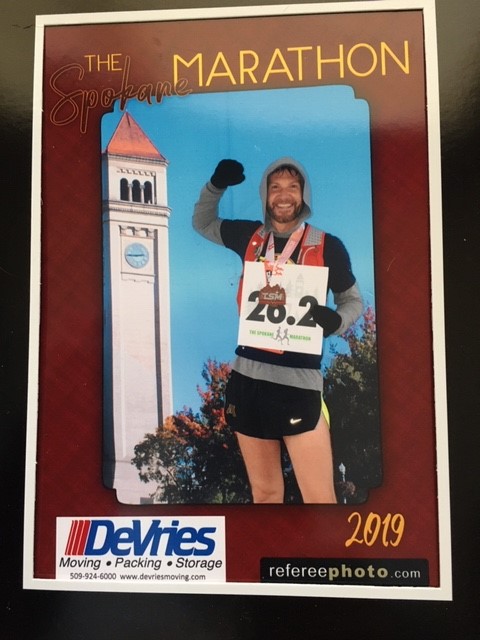
#166. FREE race pic, classy Spokane. Green-screened in front of Clock Tower. Well done.
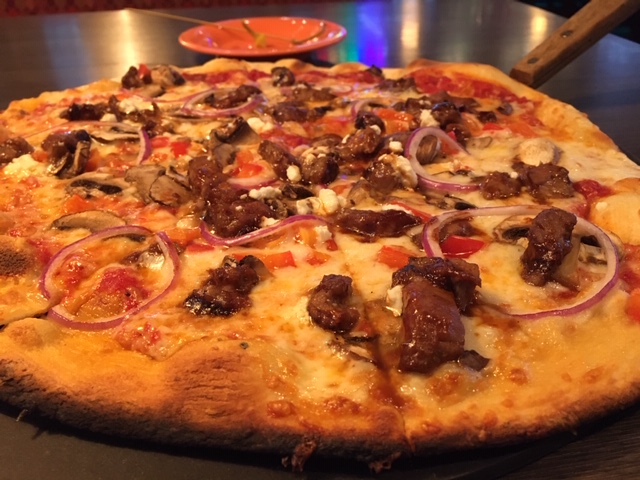
Hotel shower, post-race rewards. PIZZA & a Bloody Mary (gotta get in your veggies 😊)
Next Saturday: KANSAS CITY
The Spokane Marathon
Sunday, October 13, 2019
Bib Name City Chip Elapsed Age Place
260 K R Haga LOUISVILLE 04:31:49 6
-
- Pacific Northwest 🍂
-
- Riverfront Start/FINISH
-

- marathon REWARD
-
- FREE race pic – thanks!
-
- goodbye Spokane

Spokane Marathon
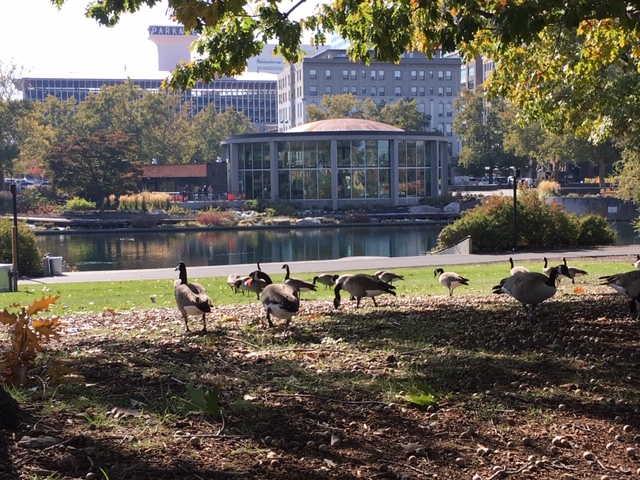
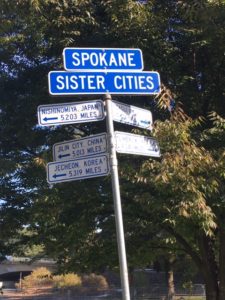 Friday nite flight, marathoning USA’s Pacific Northwest. Fall FUN 🍂 First time on Washington’s eastern edge. Beautiful scenic Spokane. Hidden gem. Autumn pallet, snow-remnant & TREES.
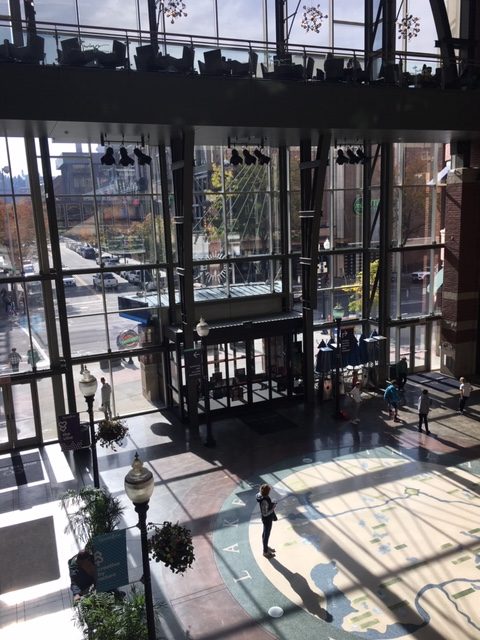
2 days, 2 hotels. Airport Ramada Friday-midnite arrival, fancy downtown digs pre-marathon day. Steps from Sunday’s Start, ‘cross the street from Riverfront Park. The Davenport Grand.
Saturday morn alarm. TWO words: Eliud Kipchoge. Greatest distance runner of all time.
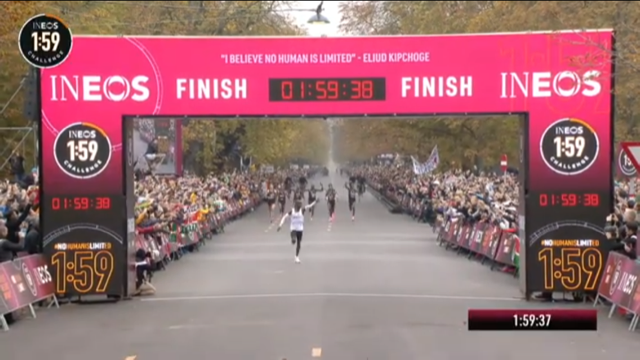
Live-stream from Vienna. Kenyan ELITE broke the 2-hour barrier. Impossible, now possible. Just WOW! Whatta way to kick-off marathon week #9. SUPER INSPIRED! No human is limited.
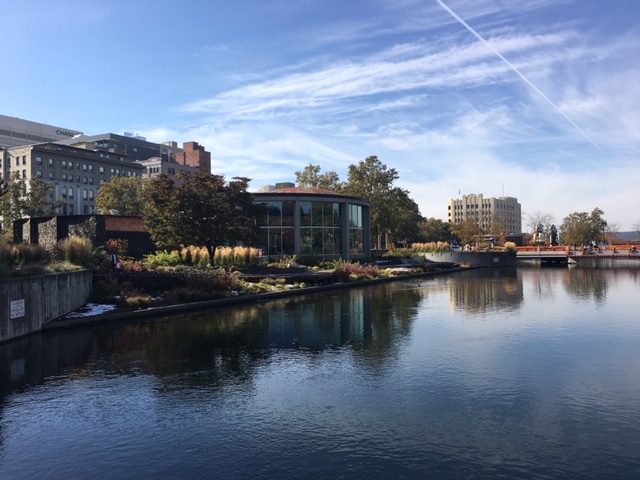
Lyft transport to bib pick-up. Mile walk to Spokane’s downtown Grand. FIRST-CLASS convenience. Hotel bag drop, day chores complete. Riverfront Park. Soakin’ up afternoon sun & colour 🌞
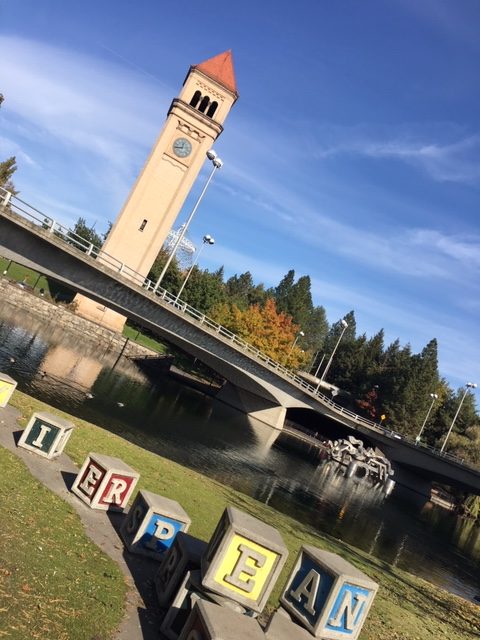
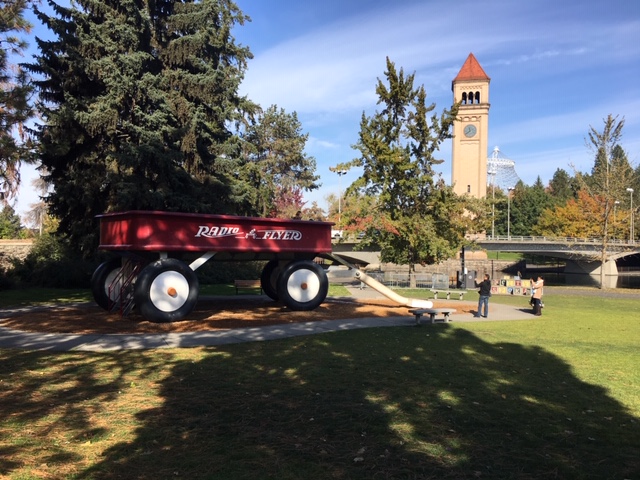
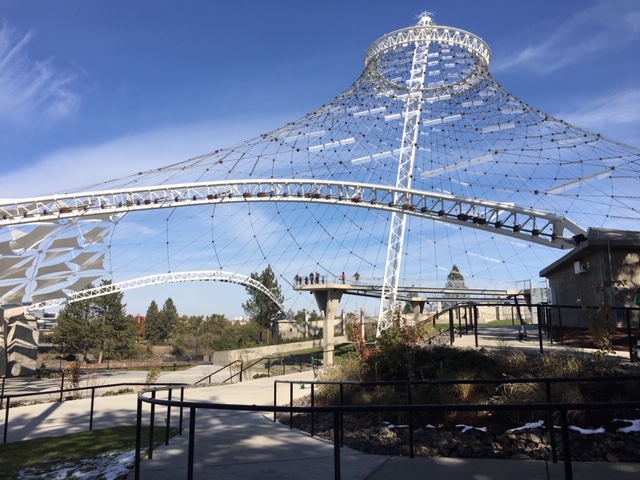
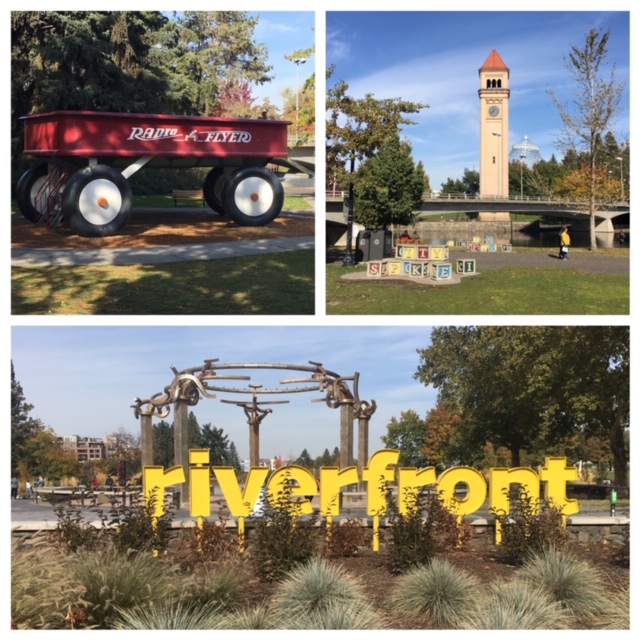
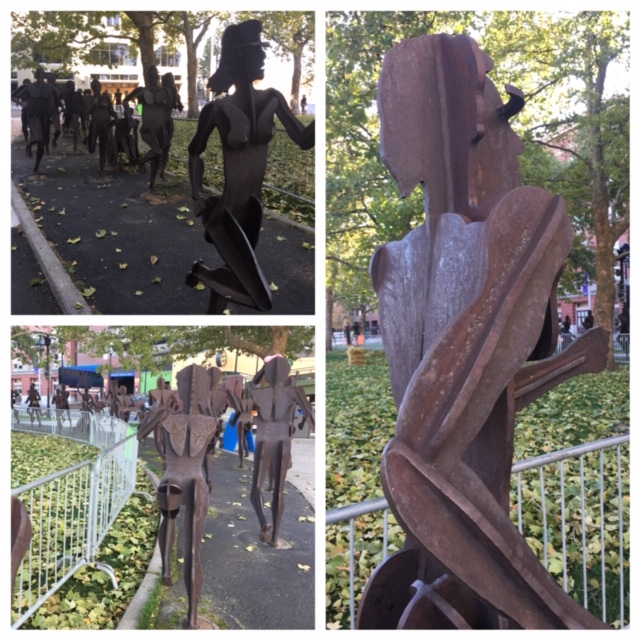
Created for the 1974 World’s Fair Exposition. Photo’d all park must-see’s. Clock Tower, Rotary Fountain, the U.S. Pavilion, Looft Carousel, plaques/sculptures & a life-sized Radio Flyer wagon.
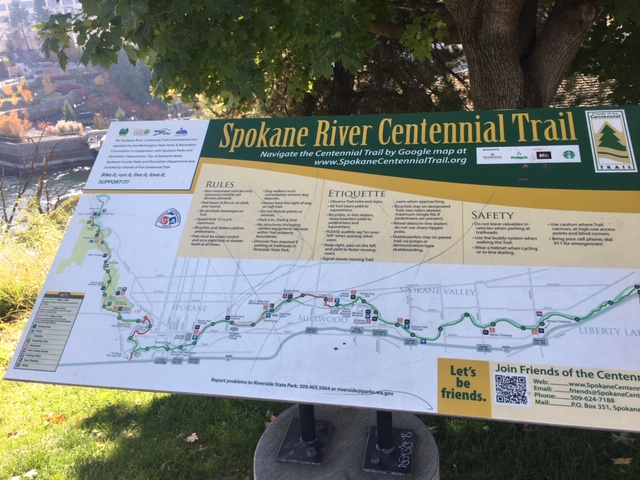
Quick preview of Spokane’s sprawling Centennial Trail (would trek 20+ miles tomorrow).
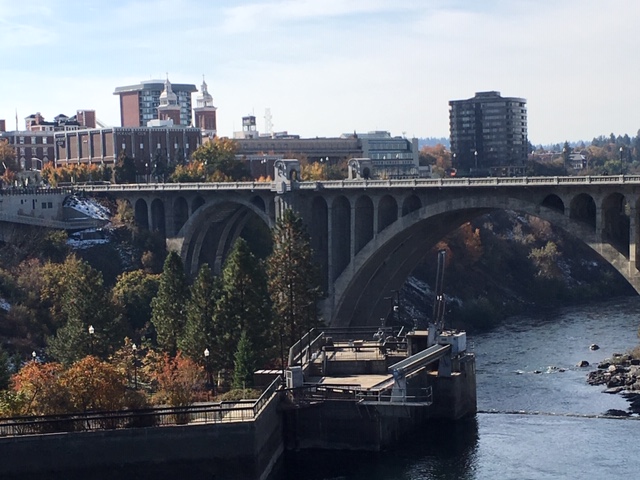
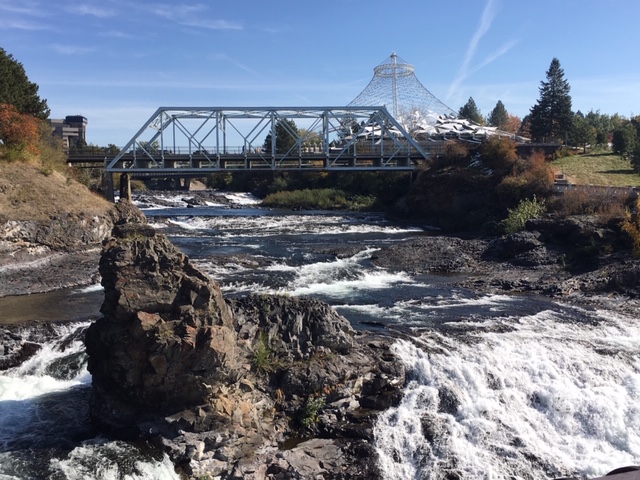
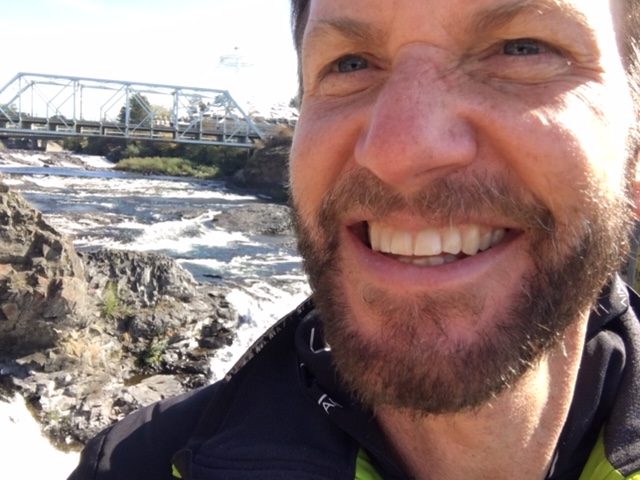
Spokane Falls, best for last. Pedestrian bridge crossed. Perfect weather, perfect season. Water BLASTING below. And I kept walking. Five miles more. Pasta dinner, hotel home by 7.
Marathon eve. Forecast: Rain. On my mind? Mile 22: Doomsday Hill. Gonna CRUSH it 💪
-

- fancy pre-race digs

-
- downtown Spokane
-

- the interior Northwest
-

- Centennial Trail
-

- Riverfront Park
-
- Clock Tower
-
- RED WAGON classic
-
- 1974 U.S. Pavilion
-
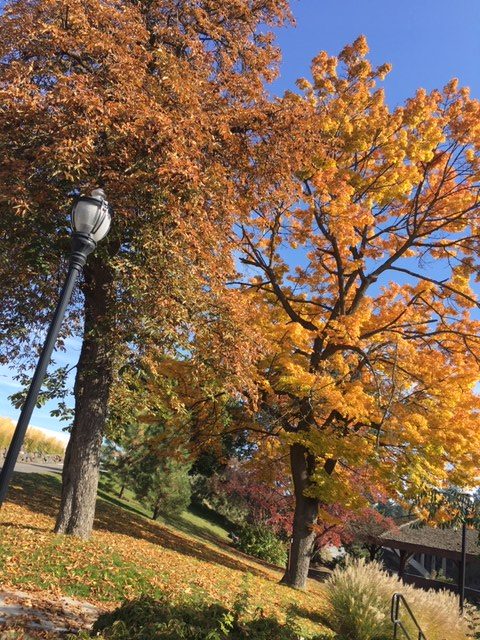
- autumn PALLET 🍂
-
- Spokane Falls
-
- Sunday preview ❤️
-
- scenic Washington State
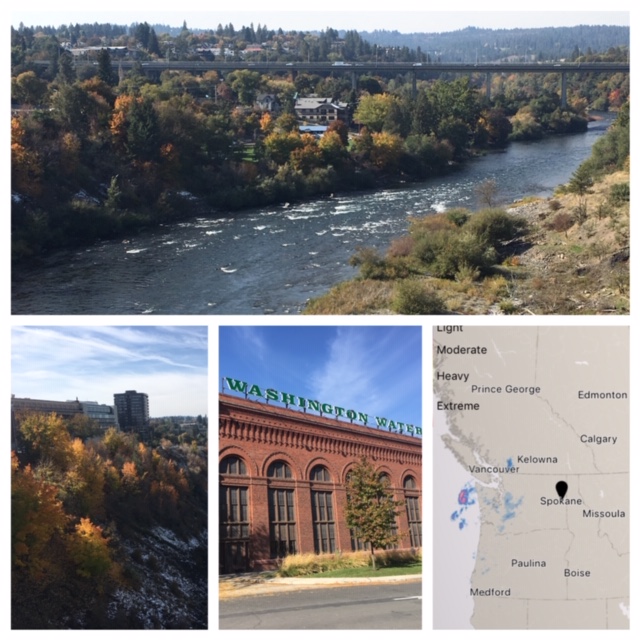
Spokane, Washington
To run a big marathon takes five months. When I’m on the start line, my mind starts reviewing what I have been doing the last five months. I believe in my training. I treat myself as the best one standing on that line ~ Eliud Kipchoge
1:59:40
This just happened. In my lifetime. Saturday October 12th.
Vienna, Austria. Same European capital Sis & I just vacationed. Kismet.
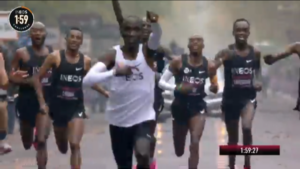
INEOS 1:59 Challenge
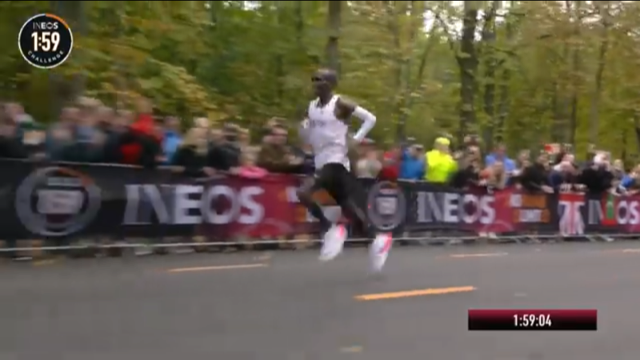
SUPER motivating. Not only was Eliud Kipchoge fast – but sooooo consistent. Every kilometer click. Same pace, exact, precise – kilometer after kilometer.
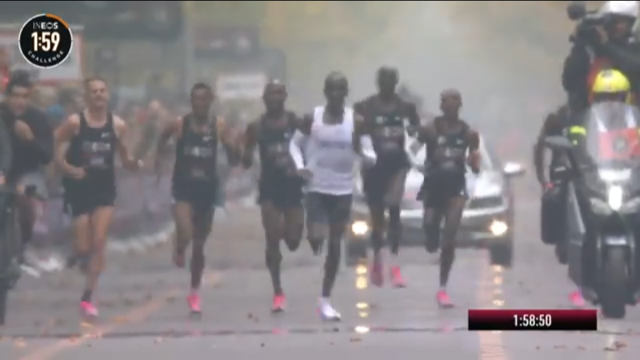
Closed course, not an open field. FLAT. Fresh pacers every 5K – crewed by World Major winners & Olympians. BUT it happened. In my lifetime. Stunning. Absolutely amazing.
Critics? Heck yeah. Many of the same U.S. trail runners on my Twitter feed. Past tense.
I could with pacers. I could on a closed course. I could with a corporate sponsor.
Then DO IT.
Greatest wealthiest most-opportune spot on the PLANET & you’re begrudging a soft-spoken farmer from Kenya? Seriously? As an American, EMBARRASSED. Did any of these Johnny-come-lately naysayers, subscribe to the feed? Watch Kipchoge train? FIVE months. Diet. High-altitude trail. Weight training. PUT UP or SHUT UP dudes.
TODAY we all dream a bit bigger. Walk a step taller.
Thank you, Eliud Kipchoge. No HUMAN is LIMITED.
-
- fresh pacers every 5K
-
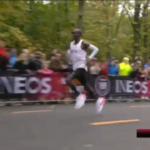
- consistent & FAST
-
- Kipchoge
-
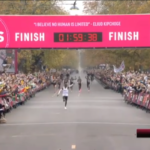
- No Human is Limited
-
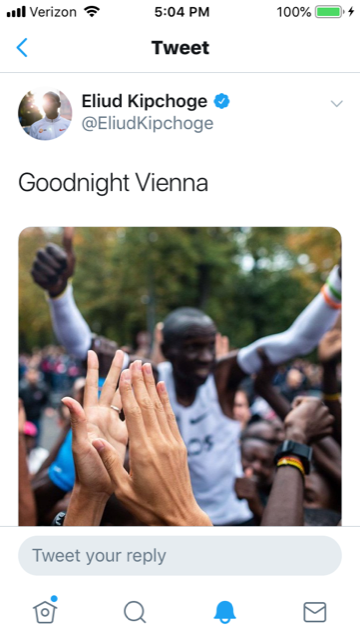
- new marathon standard
https://www.youtube.com/watch?v=PhFsKe8HcF0
Where no man (or woman) has gone before
On a foggy morning in Vienna, at a moment when professional running needed a shot of goodwill, the greatest marathoner of all time stepped up to inoculate us all, for at least two hours, against the cynicism of modern athletics. Kenya’s Eliud Kipchoge achieved what many experts once considered impossible, breaking the two-hour marathon barrier by running 26.2 miles in one hour, 59 minutes, 40 seconds.
Rewriting History: The Sub-2-Hour Marathon
Thank you, Eliud for showing us what is possible. For breaking one of the biggest barriers in athletics. And for putting on a demonstration of running perfection. If it isn’t already obvious how freaking fast 1:59:40 is, it takes most runners almost twice as long as Eliud to finish a marathon!
Eliud Kipchoge – EGH 🇰🇪 @EliudKipchoge
Retweeted Barack Obama
Dear Mr. Obama, Thank you for your special words. In life we hope to inspire others. Thank you for inspiring me. It would be my greatest honour if we could meet, and discuss how we can make this world a running world. As a running world is a peaceful world. #NoHumanIsLimited
Eliud Kipchoge Breaks the Two-Hour Barrier in the Marathon
By Ed Caesar, The New Yorker
On the streets of Vienna, on Saturday, Kipchoge ran a time that was, until recently, considered impossible.
We will never look at a marathon the same way again. On Saturday morning, on an arrow-straight avenue in the Prater park in Vienna, Eliud Kipchoge completed the distance in one hour, fifty-nine minutes, and forty seconds. It’s a time that was, until a few years ago, unthinkable—and, even after Kipchoge has done it, continues to feel unreal. Kipchoge’s run in Vienna won’t count for official world-record purposes: it was a time trial, designed with only speed in mind, and it included such transgressions as interchanging teams of pacesetters to protect Kipchoge from the head wind. But, official or not, the two-hour barrier has been broken.
It is a moment in athletics like Roger Bannister’s first sub-four-minute mile, in 1954.
There were some nerves on Saturday morning. Every single aspect of the Ineos 1:59 Challenge, as the event was called, had been planned in minute detail. The organizers had hoped, in particular, for Kipchoge to run in ideal weather—temperature in the low fifties in Fahrenheit, with less than eighty per cent humidity. But, by the early morning, fog rolled in, and the humidity rose as high as ninety per cent.
Everything else went to plan. The most striking innovation was the pacesetting structure. Five pacers, many of them Olympians and high-caliber athletes themselves, protected Kipchoge, running in an open-V shape in front of him. They were kept in position by a laser line shot out by a pace car driving fifteen metres in front of them the whole way. Two more runners ran at Kipchoge’s tail. The aerodynamic experts who designed the formation expected it to create a bubble around Kipchoge, and to carve maybe a minute from his time.
Nestled in his aerodynamically protected position, behind the axis of the V shape of the pacesetters, Kipchoge was economical and relaxed from the outset. The changeover of the pacesetters every five kilometres—a complicated piece of choreography, at thirteen miles per hour—did not seem to trouble him or break his rhythm. Around the halfway mark, he appeared to go through a rough patch, dropping several metres back from the pacer. He soon rebounded.
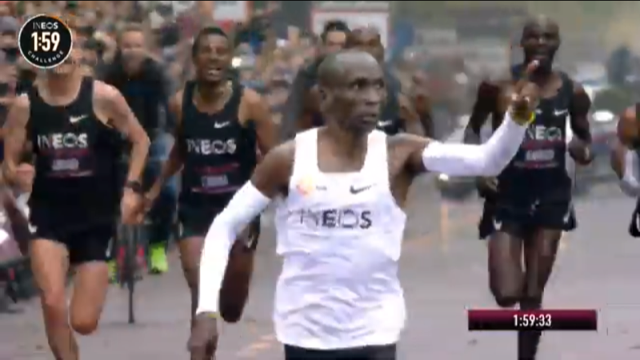
With a thousand metres to go, the pacesetters let Kipchoge run alone. He summoned one more burst of energy, and—it seemed hardly possible—ran quicker than he had all day, while motioning to the crowds to cheer him on. The closing sprint was magical. Kipchoge’s knees pumped, his face broke into a broad smile, he gestured to the crowd, and wild celebrations erupted on either side of him. (“Rejoice, we conquer!” Pheidippides said, before expiring.) As Kipchoge ran down the final straightaway, he looked like a man with good news to deliver. In many ways, he was.
The celebrations will continue long into the night. Kipchoge must have been tired, but he performed his post-run duties like a man who had just run a breezy five-miler before meeting his friends for brunch. Only a slight limp betrayed his effort. Already, Kipchoge has been asked what’s next. On Saturday, he said that he would be on the start line at the Olympics in Tokyo next year. But there are whispers that the Olympic marathon might be his last race.