It’s that time of year again – National Geographic has named their 2015 Adventurers of the Year.
For a decade, National Geographic has spun the globe to find the Adventurers of the Year, each selected for his or her remarkable achievement in exploration, adventure sports, conservation, and humanitarianism. This year’s honorees embody the spirit of adventure in diverse ways—an exploratory surfer seeking the world’s most remote waves; paragliders pushing the boundaries of their sport; an activist challenging the status quo; filmmakers using art to drive conservation; blind kayakers redefining what’s possible; and five more feats.
This year I really struggled where to throw my support.
Folks know I’m a HUGE fan of mountain climbing so Alpinist Ueli Steck seemed like a logical choice. BUT he’s pitted against a team of blind kayakers who rode the Grand Canyon & a 67-year old Pole who crossed the Atlantic completely unassisted. ALSO inspired by 2 paragliders whose personal achievements give new visibility to their sport – similar to Kilian Jornet’s win last year for skyrunning. Voting for ADVENTURER of the year. Argh, conflicted.
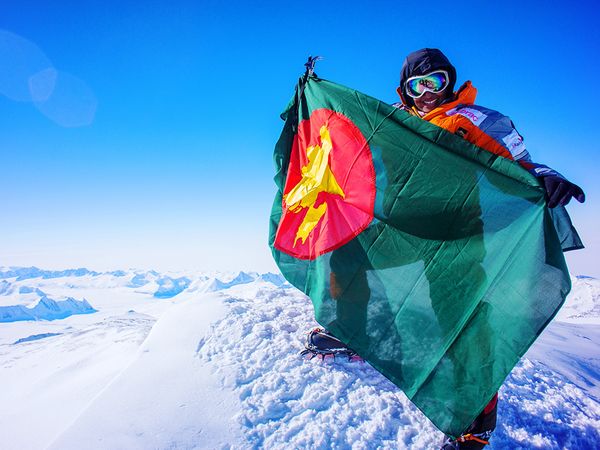
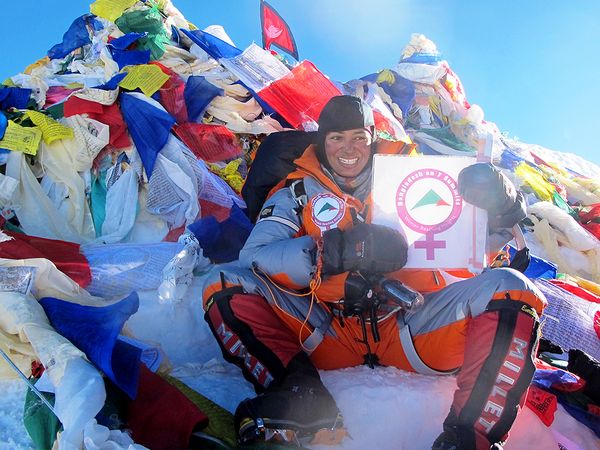
This year casting my daily vote for Wasfia Nazreen who’s not only summited the highest peaks on all seven continents (yep, that includes Everest & Antarctica) but has also become a role model in her native Bangladesh, empowering women in a heavy-handed male dominated society.
Find myself super inspired as I continue to educate myself on everything Wasfia.
The Honorees: 2014/2015
- Activist: Wasfia Nazreen
- A Bangladeshi aid worker hula-hoops on the Seven Summits to empower her country’s women and girls
- Alpinist: Ueli Steck
- A climber completes a lightning-fast solo climb of a difficult and deadly Himalayan face
- Blind Adventurers: Erik Weihenmayer and Lonnie Bedwell
- Two kayakers descend the Grand Canyon to break barriers
- Climber: Tommy Caldwell
- A rock climber takes alpinism to the next level with the first traverse of Patagonia’s iconic skyline.
- Filmmakers: Matt Stoecker, Travis Rummel, and Ben Knight
- Three filmmakers capture a pivotal moment in river conservation and ignite a movement to return rivers to their natural state
- Kayaker: Aleksander Doba
- At 67 years old, a Polish kayaker completes the longest open-water kayaking expedition in history.
- Paragliders: Will Gadd and Gavin McClurg
- Two near strangers complete a revolutionary paragliding traverse of North America’s most rugged wilderness and redefine the standards for paragliding
- Ski Mountaineer: Kit DesLauriers
- A world-class ski mountaineer goes from extreme summits to extreme science in the Arctic wilderness
- Surfer: Liz Clark
- An exploratory surfer keeps sailing to find the Pacific’s most secret breaks
- Swimmer: Lewis Pugh
- A pioneering extreme swimmer becomes an eyewitness to the health of the world’s seas
VOTE HERE for People’s Choice Adventurer of the Year: https://on.natgeo.com/1y8STod
-
- Antarctica
-
- Everest
-

- enpowering young women in Bangladesh

What to do in between marathon weekends? High altitude hiking – of course 🙂
Bounced back quicker than normal from Saturday’s Indy marathon, so packed in training runs Tuesday, Thursday & Friday. Felt good physically but still needed a mental boost before Vegas. Nothing fixes my head, like a hike in our high peaks.
Woke sluggish on Saturday so switched ‘hike day’ to Sunday – opting for one last long run before Vegas, a 20 miler.
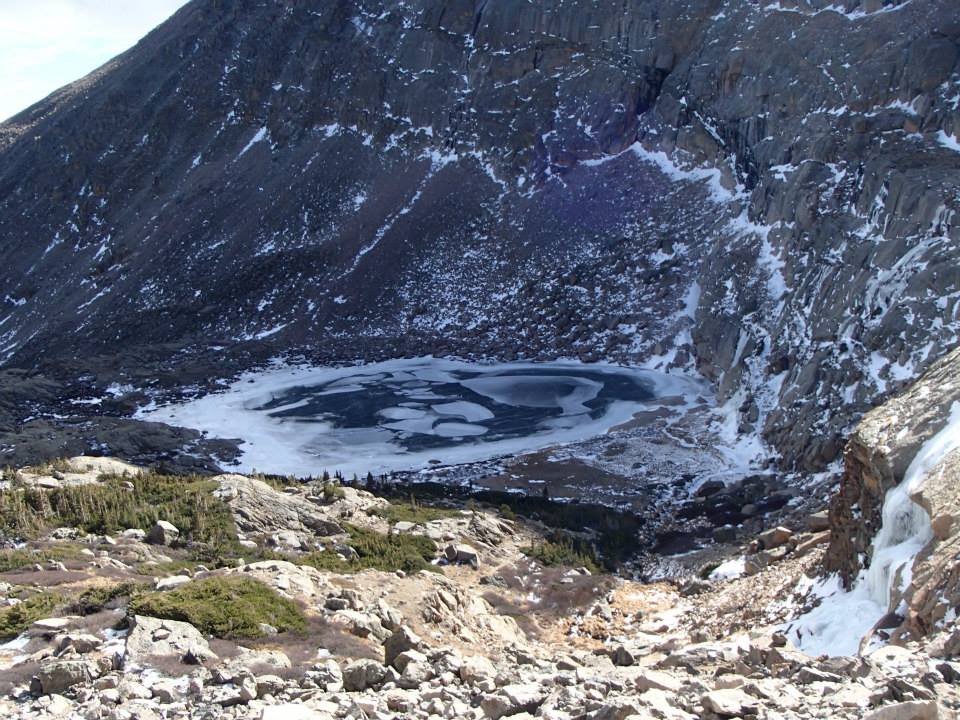
Sunday – no more excuses. Up and on the road – hike destination: Chasm Lake, just past Allenspark in RMNP (Longs Peak trailhead). Over 2,000ft in vertical gain – can’t think of better cross-training for marathoning 🙂
Hit the trail & hiked at a quick clip while in treeline (first 2.3 miles). Later start than normal (8am) but no fear of afternoon lightning this day – woes of summer hiking in Colorado, not so much in November.
As topography migrated from lodge pole pine to willow shrub to tundra, wind noticeably picked up. A polar front from Alaska would be blowing in tomorrow afternoon – strong 30mph headwinds preceded the cold, gusts > 50mph.
Hiking across tundra & boulder fields, took it all in stride. Big smile on my face enjoying the day’s challenge.
Just past the Longs Peak intersect, terrain changed from tundra to rock. Welcomed windbreak provided by the mountain’s rock face, then an unexpected gust – literally knocking me down (hiking almost a 1,000ft above treeline now).
Started anticipating upcoming gusts: crouching low, holding tight to boulders during the irregular yet intermittent blasts.
COLD but WOW, what a head fix. EXACTLY what this marathoner needed – thin air & being small in my high mountain surroundings. Helps to re-center & put things in perspective.
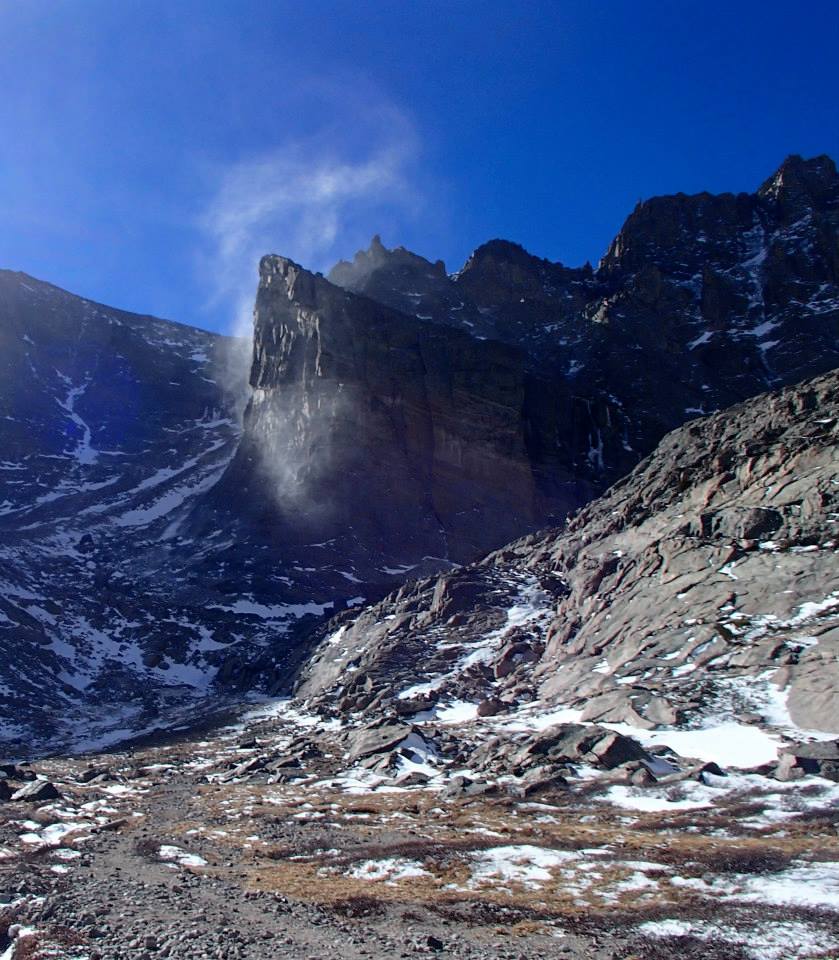
Sun shining, watched snow funnel off Longs in the wind – visually dancing, wisping vapor.
2 short runs next week, Grand Canyon heli tour on Saturday, then marathon #15 down the Strip in Vegas Sunday night.
Life is good, really really good.
-
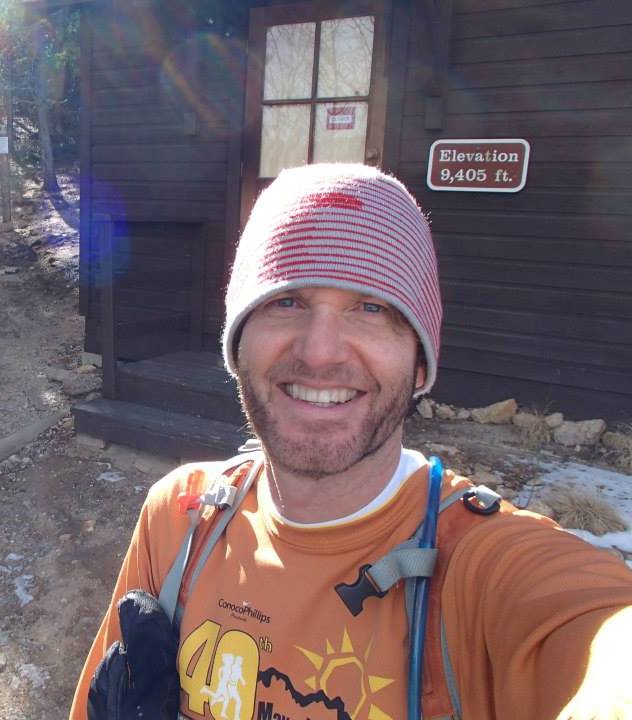
- Longs Peak trailhead
-
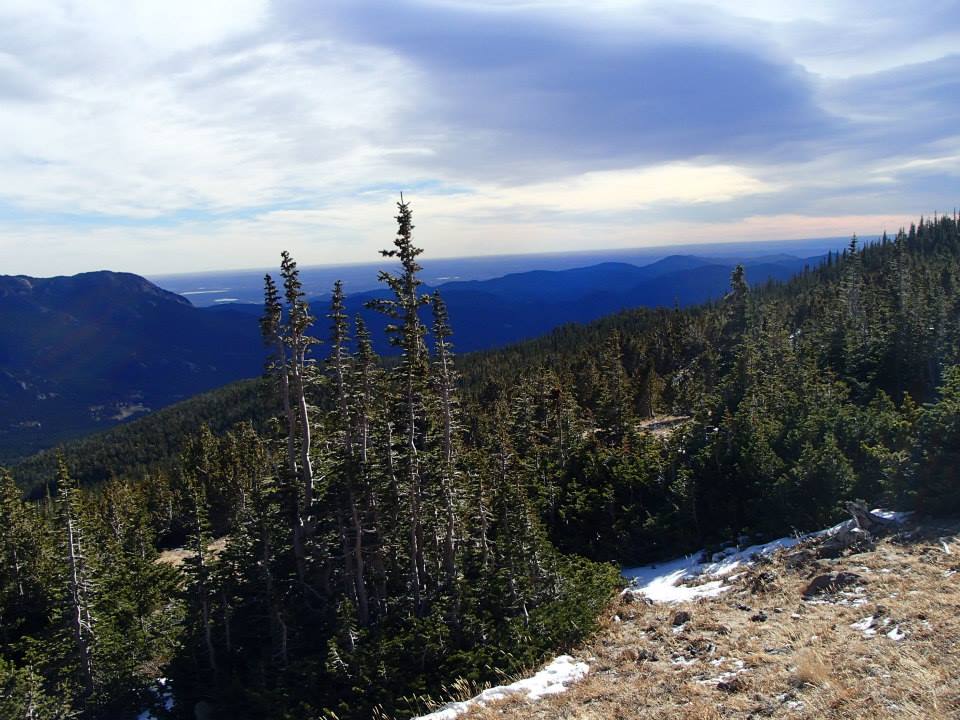
- beautiful horizon — lovin’ those blues
-
- tundra hike above treeline
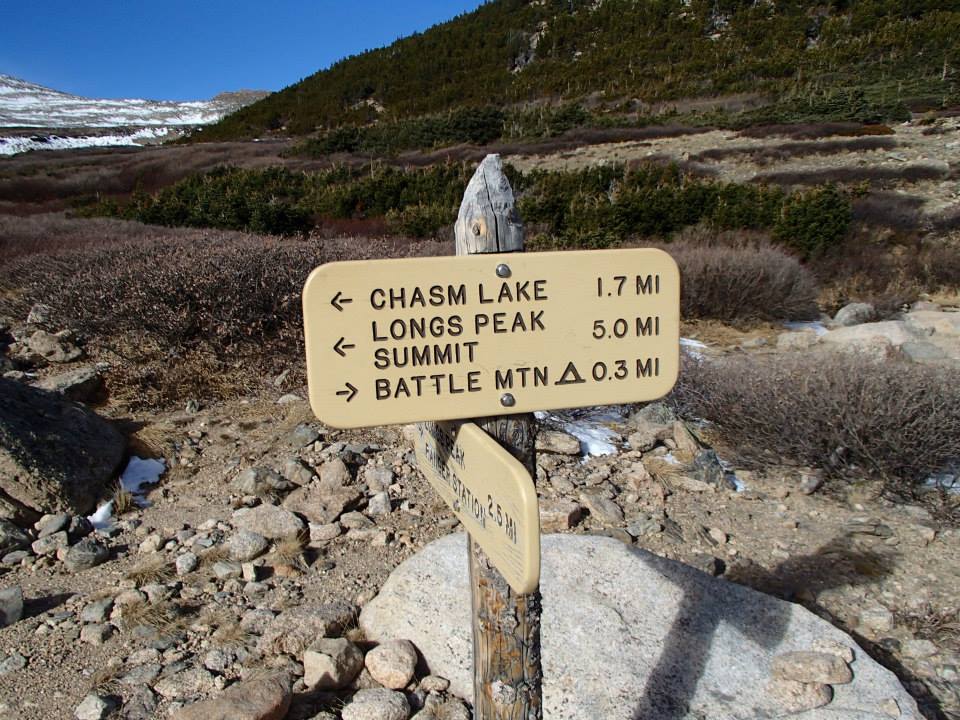
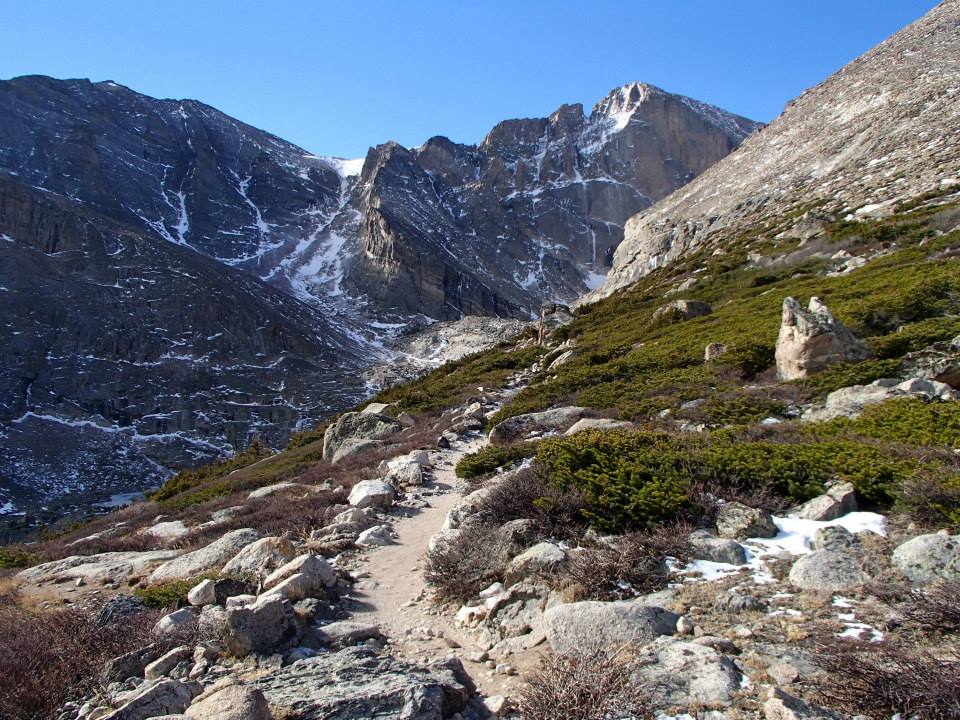
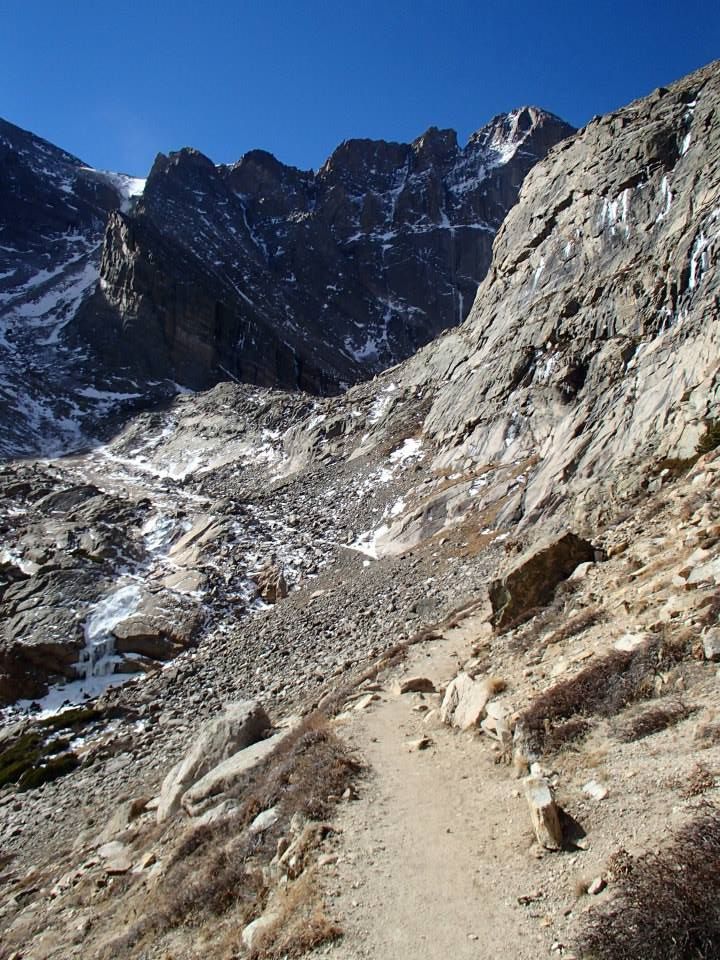
-
- frosty alpine lake
-
- wispy snow vapor – WOW!
Often I feel disadvantaged to other PSers (PS Audio employees) because of my lack of industry knowledge. Luckily in my current finance role, numbers are numbers – but this deficiency requires me to focus listen in weekly Manager meetings…DACs (digital-to-analog converters), DSD (direct-stream digital), transports, transformers, toslinks – been quite the learning curve.
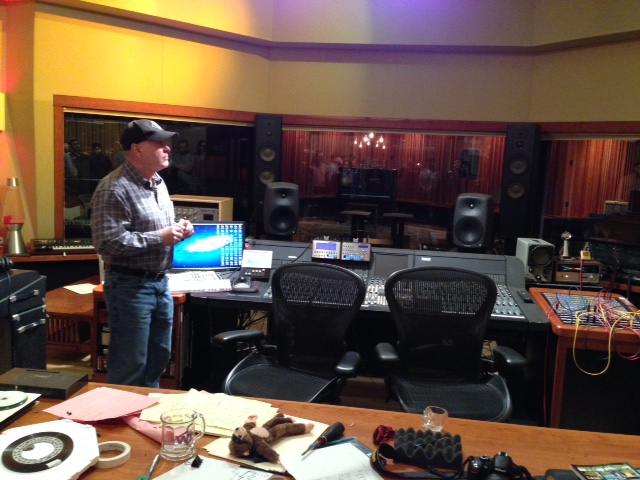
Visited a local recording studio today. One of my favourite work excursions to date – lotta music, lotta industry talk (yep, completely over my head)…but overall, super interesting – even to us audio novices.
CLICK to listen to Boulder’s Elephant Revival or visit https://elephantrevival.com/
Food for thought by Paul McGowan
My wife Terri organizes company field trips. We do two a year and they’re always welcome, fun events. This year the entire company invaded the Super Audio Center run by Gus Skinas as well as toured Immersive Studios (the only recording studio in the world with a full 32 track Sonoma DSD recording system).
Gus treated us to many sonic delights. It was a real ‘ear-opener’ to many in the company who had never heard recorded music sound so live.
One piece of information that stood out for me, relative to yesterday’s discussion about Soft Edges, was a comment Gus made about PCM vs. DSD and analog. It isn’t often we hear about the differences between the two formats from the recording engineer’s viewpoint and I found it illuminating. His comment concerned multitrack recording and mixing as most studios do today.
Multitrack recording incorporates a separate ‘track’ or, in today’s lexicon, ‘file’ for each microphone used. So, imagine we have a small group of performers: two singers, a drum kit, stand up acoustic bass and a keyboard, each separately mic’d. Each of the five microphone feeds are sent through individual A/D converters and stored on a computer’s hard drive. When it’s time to playback and mix the five channels to a stereo version, the tracks are digitally mastered according to the recording engineer’s mix and then converted to analog through a stereo D/A converter into analog. It is in the digital mixing process where the differences between PCM and DSD really become apparent.
When the recording engineer mixes the five mono channels into stereo he does so digitally and places each channel into either left, right, center, or a combination of L and R to replicate the placement of the performers in acoustic space. When the session is an analog or DSD capture, the process is straightforward and everything works according to Hoyle: each instrument occupies the correct space and the listener can easily discern their position in space: left, right, front back. But when the session is a PCM capture, the acoustic space gets muddled and more difficult to separate between instruments, requiring the recording engineer to change EQ settings and manipulate the sound of the track to get it right.
What’s fascinating about this observation is that analog, with its limited dynamics and frequency response (relative to DSD or high sample rate PCM) does not experience this issue, nor does DSD (which is closer to analog).
Interesting stuff for thought.