No Everest this year.
Plan B – Oregon’s Mt Hood & Crater Lake (& another marathon of course).
Due to the regular aftershocks in Nepal, there are high chances of landslides in the trekking trails and it will not be wise to trek to the Everest High Passes risking your safety. It will be great if you can postpone the trip to next year. The best seasons will be Spring and Autumn, and I hope you can plan for one of these seasons next year. Your trip deposit will be kept safe as the deposit for the trip in 2016, and as this is a very special case we will also charge you the same amount we have offered you this year for next year.
I’m truly sorry that you have to cancel the plans for this year.
Take care,
Sristi
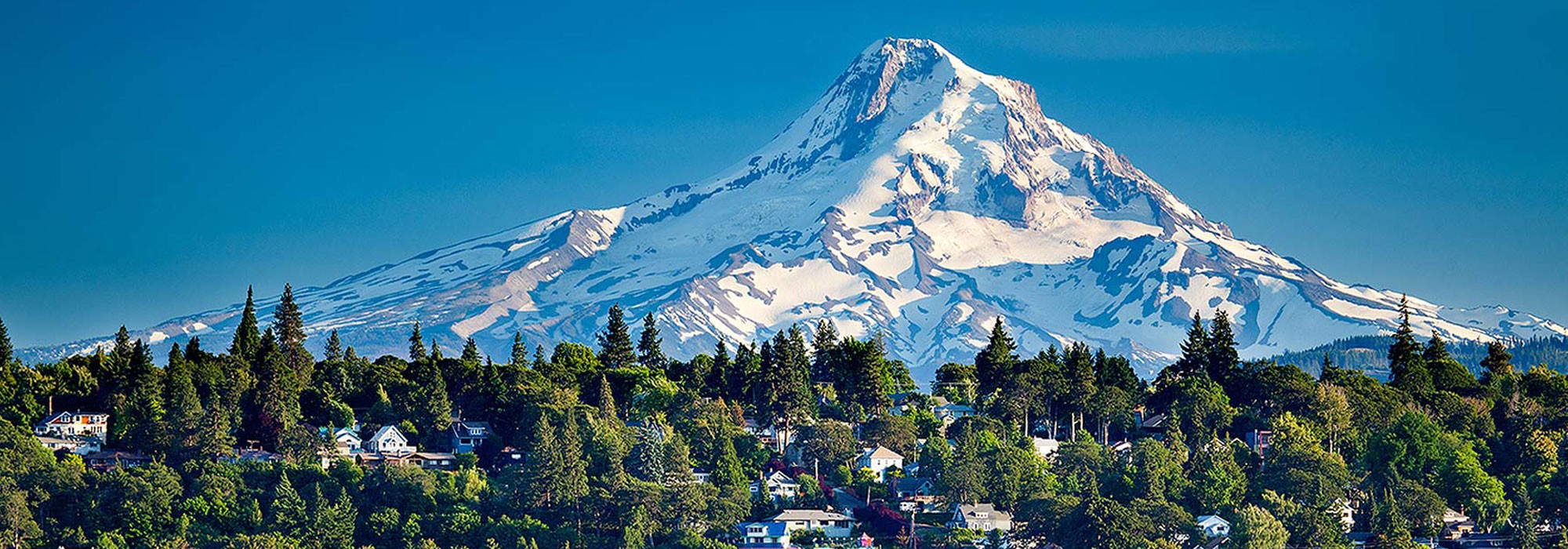
Oregon’s Mt Hood
What a cliff diver must feel just as he pushes off – that’s the feeling in my gut, knowing what I’ve signed for, knowing what’s ahead.
Fear & excitement, same time – how will my body hold up? Can I run injury free? How far & how often do I train when running full marathons over 7 consecutive weekends? Can I stay consistent with sleep & not blow nutrition – different airports, different time zones, racing in unpredictable weather, travelling from New Jersey to North Dakota?
Breathe, then…break a grin – good or bad, this experience is gonna change me.
- 03/29/15 Ocean Drive Marathon NJ
- 04/04/15 Charlottesville Marathon VA
- 04/12/15 Go St Louis Marathon MO
- 04/18/15 Garmin Oz Marathon KS
- 04/25/15 Kentucky Derby Festival KY
- 05/02/15 Wisconsin Marathon WI
- 05/09/15 Fargo Marathon ND
-
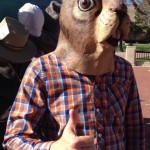
- squirreling around on Pearl St
-

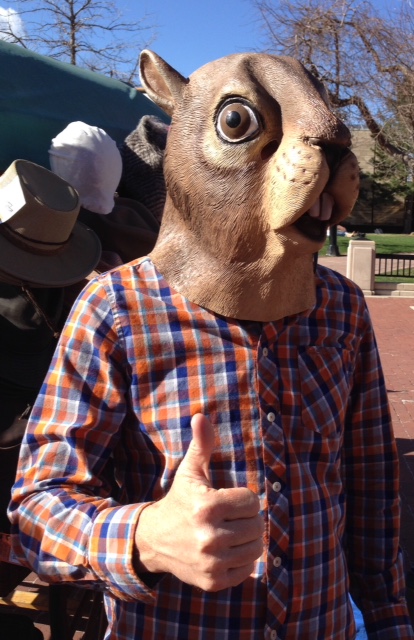
- first dress-up, then treat

-

- Colorado cowboy
week’s training inspiration – Steve Prefontaine & Everest
With so much marathoning in 2015, no worry folks – eye’s still on the prize: Everest.
Been actively hill training since December – improving mental & physical strength, increasing lung capacity. Additionally, HUGE thanks to my Colorado tribe who’ve been feeding advice, news articles & contacts on everything Everest since early January.
Good to live at 5,300ft – in 5 months, I’ll be sleeping at 20,000ft 🙂
Nepali 101
Hello namaste
Good luck (& toast) subhakamana
Thank you dhanyabad
Help! sahayao garnus
Where’s the toilet? sauchalaya kata chha
Welcome swagatam
Carole’s teaching this semester so she will be easy to reach. I talked to her about you, so she’s aware you will be reaching out. I think I told you – but she is one of the premier Tibetan scholars, and has spent a lot of time in Nepal…including very recently. She’s an anthropologist, so she can talk to you about pretty much any questions you have: food, culture, etiquette, political situations you may want to be aware of, Sherpas (I’m pretty sure she knows a few personally), knowledge of the mountain (to a small degree). Definitely utilize her as a resource, I cannot speak too highly of her!!
Everest: Reroute Through Khumbu Icefall for the 2015 Climbing Season
In wake of the tragic 2014 season, which killed 16 Sherpa guides in the most deadly single accident in Everest history, the Nepali government has decided to change the established route through the Khumbu Icefall for the spring climbing season of 2015.
The Khumbu Icefall is considered the most difficult section of the South Col route up Everest. The icefall is located at the bottom of the Khumbu glacier, where the glacier passes over a series of cliffs, causing it to break into massive ice blocks, riddled with crevasses. To make matters worse, the terrain is constantly changing—seracs collapsing and new crevasses forming—as the glacier flows downhill.
Since the 1990s, the path through the Khumbu Icefall connecting Base Camp (17,500 feet) to Camp 1 (19,500 feet)—which consists of fixed ropes and ladders—has weaved its way through the maze of ice along the “western shoulder” of the icefall, taking an easier variation than the more direct, original route. But due to environmental changes causing increased avalanche danger, and the Sherpa strike after last year’s fatal avalanche, ropes and ladders will now return to the original route in hopes of improved safety.
The original route is relatively more technical and time consuming than the western shoulder, but is more stable and further away from the probable path of falling debris from overhanging glaciers above the western edge of the icefall.
Throughout a typical climbing season, a porter might pass through the icefall 30-40 times, increasing his time under the seracs and therefore risk of being caught in an avalanche. According to BBC, nearly 40 climbers, most from the Sherpa community, have been killed in the Khumbu Icefall alone, and both Nepali and foreign expedition operators welcome the change.
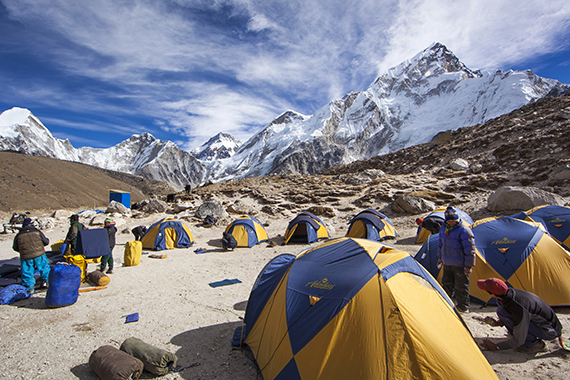
trekking Everest