During off-season (5 weeks between past Saturday’s Rehoboth Beach marathon & next January’s Mississippi Blues full), decided to focus on one BIG weakness – endurance. Not beating myself up – I completed 17 marathons in 17 different states…that’s a great accomplishment – but I gutted out the last 3, hovering at 4:30 finish times. I can do better.
Gonna make peace with the beast – HILLS. Will not only improve marathon results but also increase lung capacity & quad strength for my BIG August 2015 life adventure. 3 days in – breathing like a rookie, sweating hard, struggling.
Day 4: signed up for a 5am meetup at Manitou Incline, 2 hours away – you do the math, mighty early Saturday wake.
Manitou Incline is a popular hiking trail rising above Manitou Springs, Colorado. The trail is the remains of a former 3 ft narrow gauge funicular railway whose tracks washed out during a rock slide in 1990. The Incline is famous for its sweeping views and steep grade, as steep as 68% in places, making it a fitness challenge for locals in the Colorado Springs area. The Incline gains over 2,000 feet of elevation in less than one mile.
2 years ago I hiked Barr Trail (28 miles – crazy long day) but missed the Incline – no dogs allowed. That day Ro & I salmoned 3 miles up the return trail, dodging runners ‘til we passed the Incline junction.
Arrived first & inadvertently introduced myself to spooked hikers ‘til my new running group arrived.
Tough meeting new folks – not sure of pace or even what folks look like plus this would be my first high altitude run in months (perfect match for my off-season hill challenge, huh 🙂 )
Manitou Incline is only one-mile UP – but with a 2,000ft elevation gain.
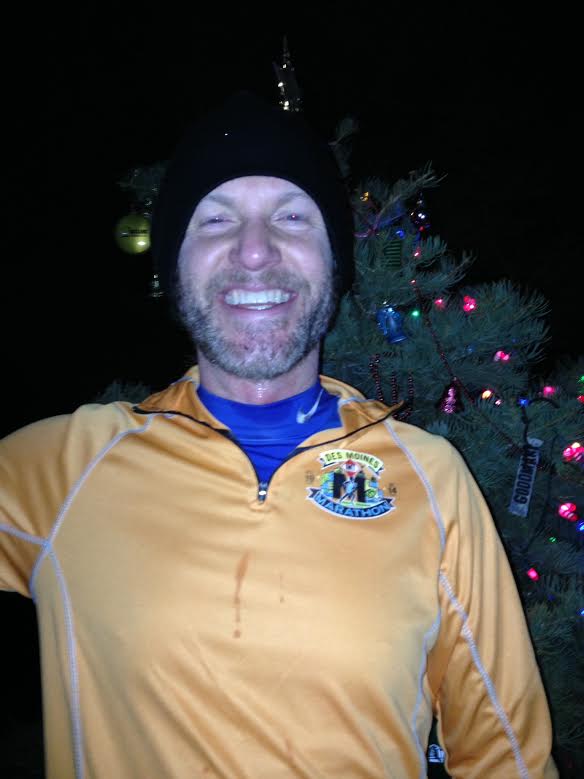
Was forewarned to go out slow, advised there is a bail-out point two-thirds up, and that the last third was straight UP. Picked up pace ½ in, then waited for our group near the Christmas tree summit. No altitude adjustments needed here 🙂
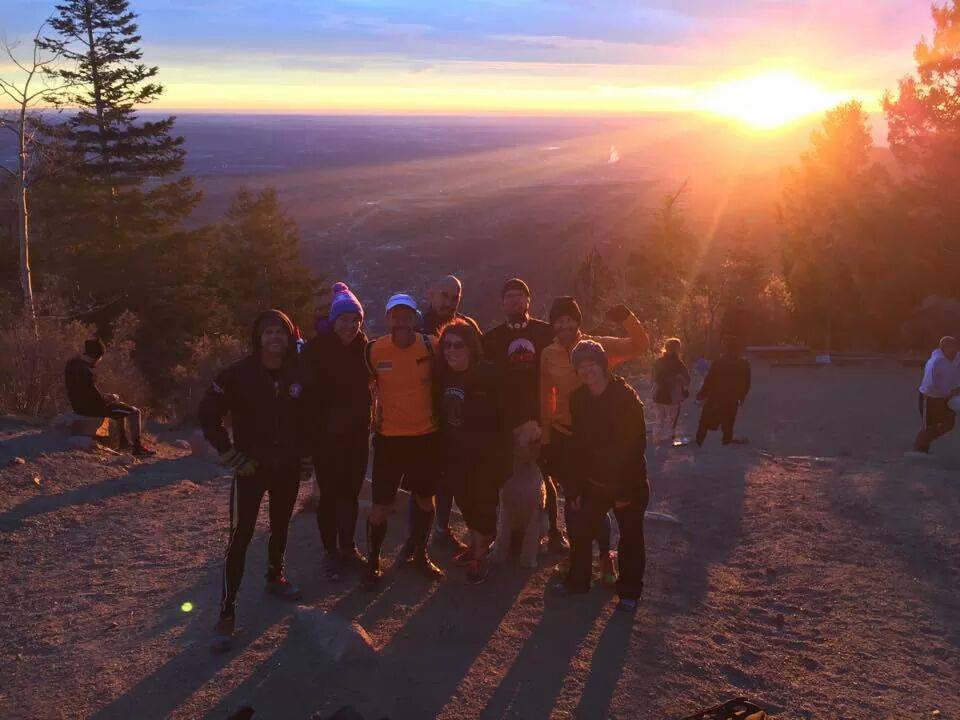
20 minutes later – MAGIC. Sunrise pinks & oranges coloured the horizon.
Chatted it up with Jim, a local runner who hits this trail regularly. Good guy.
Amazing start to the weekend – thin air, cool temps & a mountain sunrise. FAAAANNNNTASTIC!
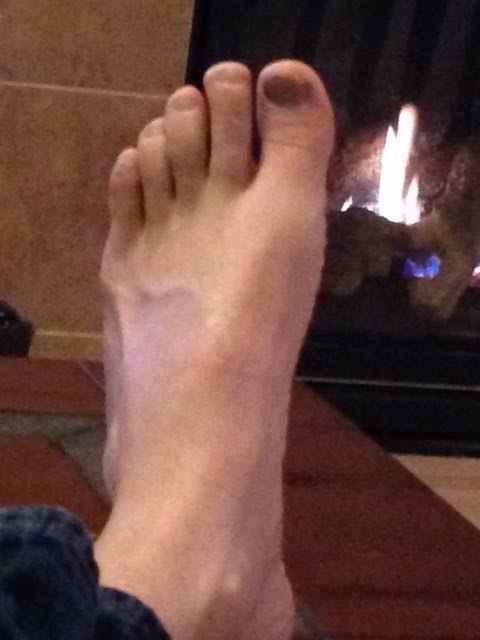
Took a spill on the trail run return – mostly superficial scrapes, no muscle damage but busted a toe…will lose the nail in a few weeks. Ouch. Never considered I could fall, didn’t try to catch myself – hit hard. Life lesson.
Big fan of the Springs – beautiful place to run. I’ll be back; highly recommended.
-
- colour starting to burst over Colorado Springs below
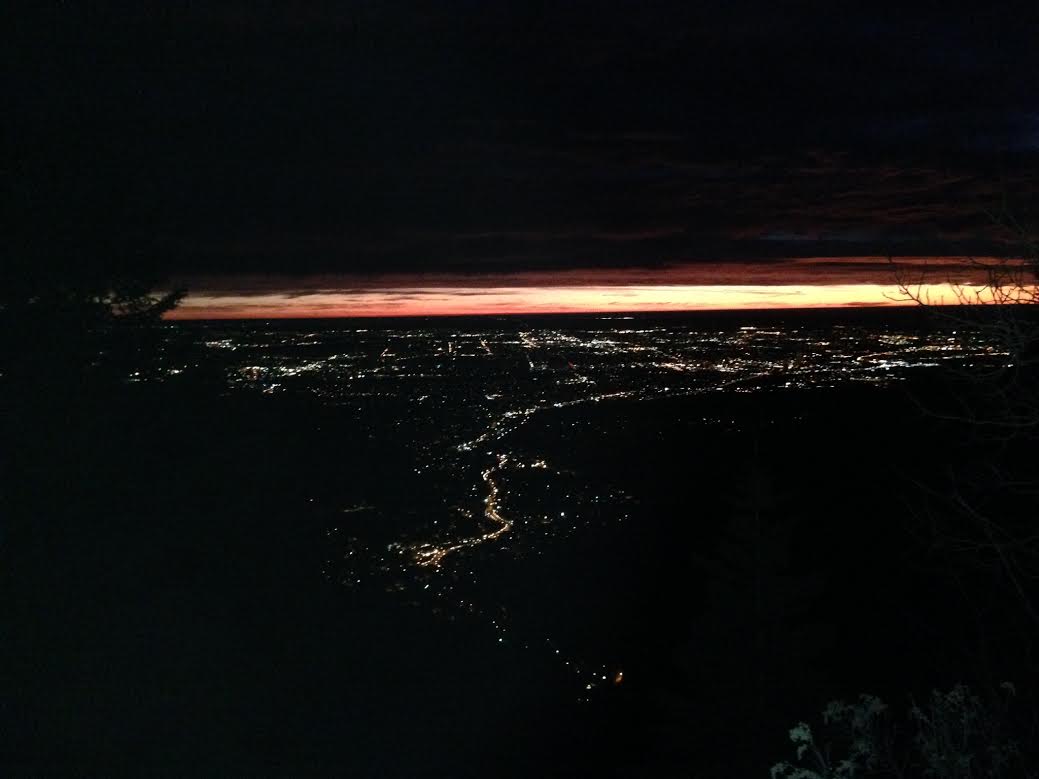
-
- #inclinechristmastree
-
- thin air, cool temps & a mountain sunrise – FAAAANNNTASTIC!
-
- blue to purple, now black
What to do in between marathon weekends? High altitude hiking – of course 🙂
Bounced back quicker than normal from Saturday’s Indy marathon, so packed in training runs Tuesday, Thursday & Friday. Felt good physically but still needed a mental boost before Vegas. Nothing fixes my head, like a hike in our high peaks.
Woke sluggish on Saturday so switched ‘hike day’ to Sunday – opting for one last long run before Vegas, a 20 miler.
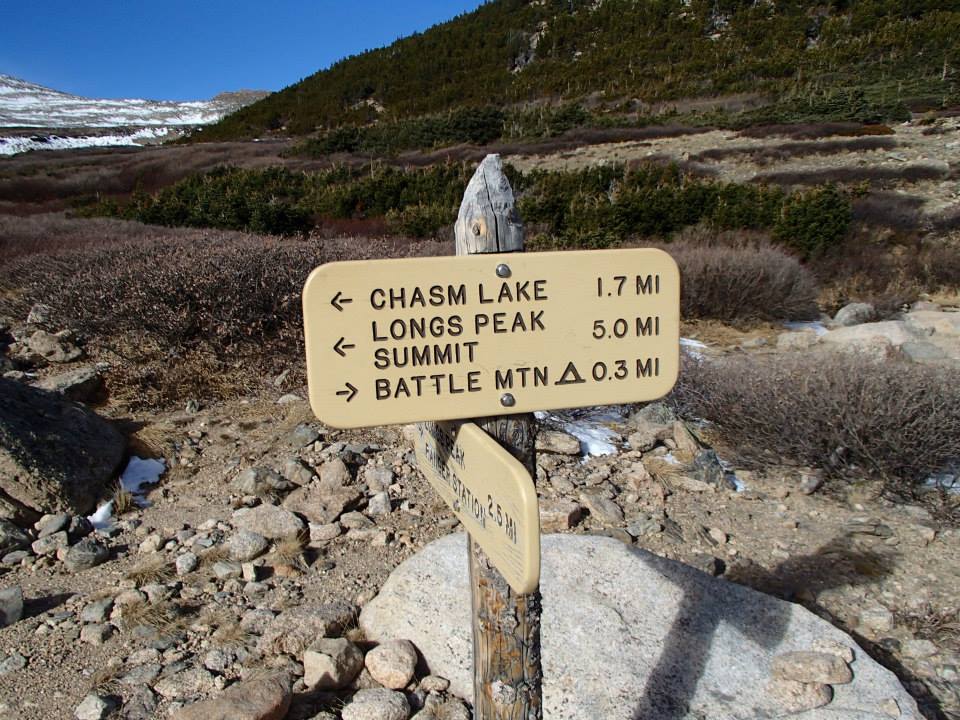
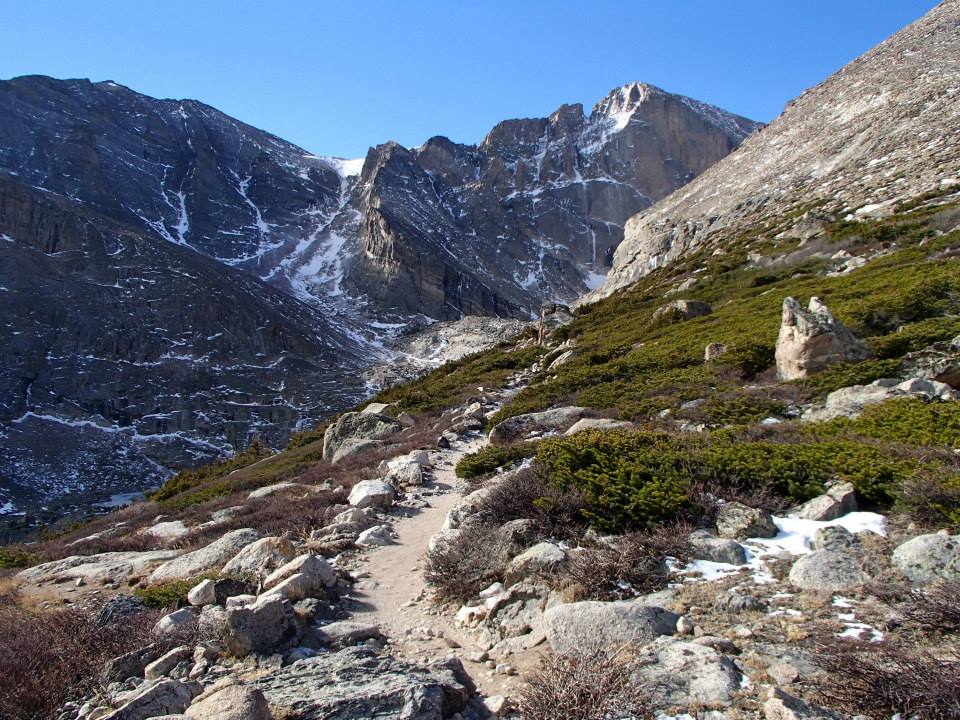
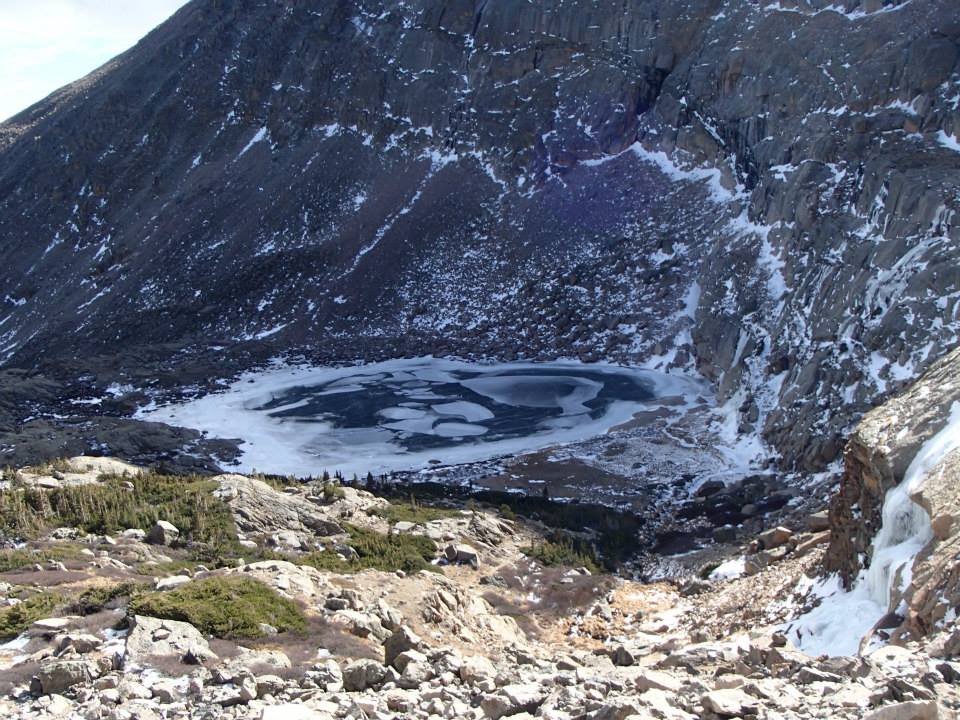
Sunday – no more excuses. Up and on the road – hike destination: Chasm Lake, just past Allenspark in RMNP (Longs Peak trailhead). Over 2,000ft in vertical gain – can’t think of better cross-training for marathoning 🙂
Hit the trail & hiked at a quick clip while in treeline (first 2.3 miles). Later start than normal (8am) but no fear of afternoon lightning this day – woes of summer hiking in Colorado, not so much in November.
As topography migrated from lodge pole pine to willow shrub to tundra, wind noticeably picked up. A polar front from Alaska would be blowing in tomorrow afternoon – strong 30mph headwinds preceded the cold, gusts > 50mph.
Hiking across tundra & boulder fields, took it all in stride. Big smile on my face enjoying the day’s challenge.
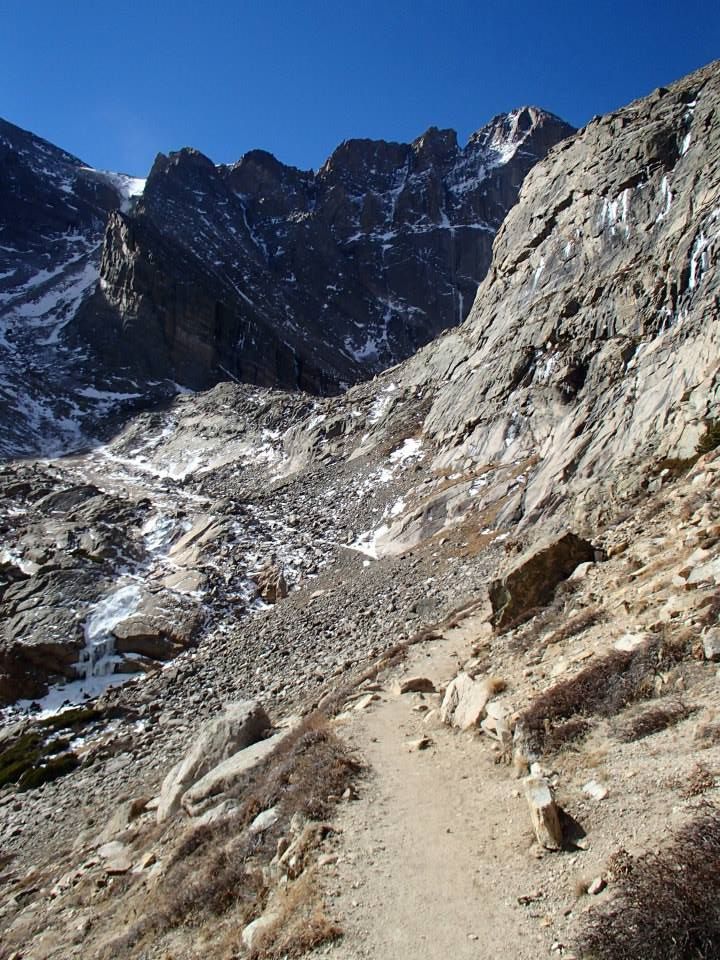
Just past the Longs Peak intersect, terrain changed from tundra to rock. Welcomed windbreak provided by the mountain’s rock face, then an unexpected gust – literally knocking me down (hiking almost a 1,000ft above treeline now).
Started anticipating upcoming gusts: crouching low, holding tight to boulders during the irregular yet intermittent blasts.
COLD but WOW, what a head fix. EXACTLY what this marathoner needed – thin air & being small in my high mountain surroundings. Helps to re-center & put things in perspective.
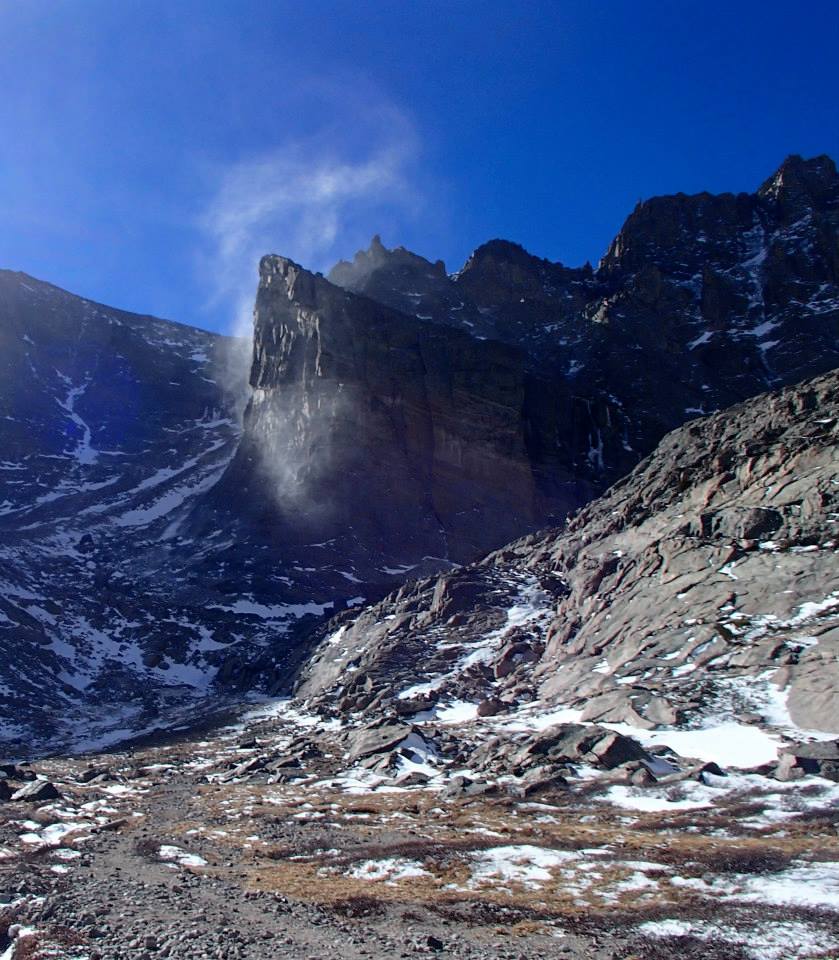
Sun shining, watched snow funnel off Longs in the wind – visually dancing, wisping vapor.
2 short runs next week, Grand Canyon heli tour on Saturday, then marathon #15 down the Strip in Vegas Sunday night.
Life is good, really really good.
-
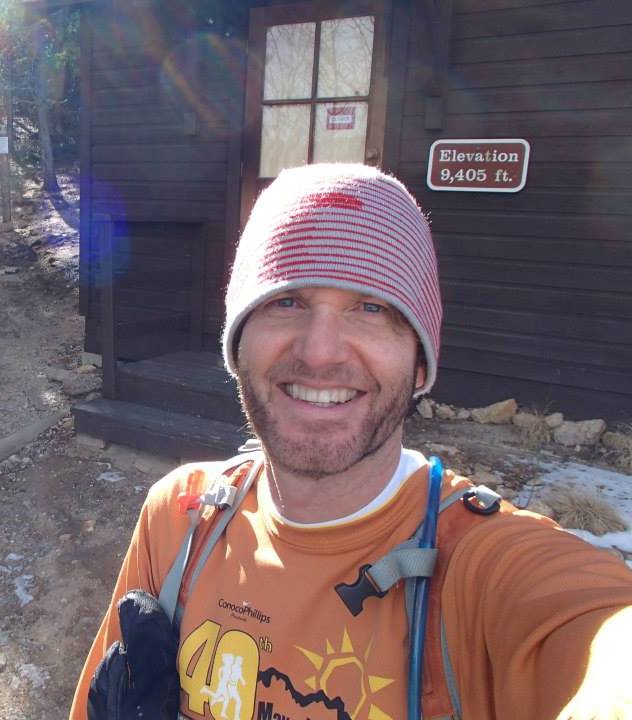
- Longs Peak trailhead
-
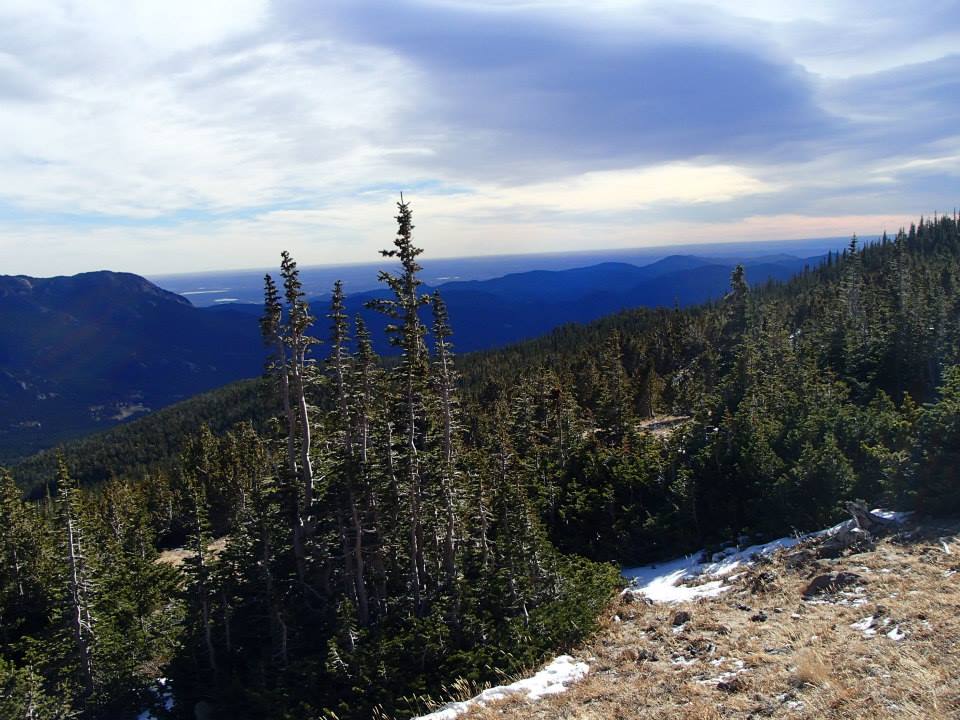
- beautiful horizon — lovin’ those blues
-
- tundra hike above treeline
-
- frosty alpine lake
-
- wispy snow vapor – WOW!
Often I feel disadvantaged to other PSers (PS Audio employees) because of my lack of industry knowledge. Luckily in my current finance role, numbers are numbers – but this deficiency requires me to focus listen in weekly Manager meetings…DACs (digital-to-analog converters), DSD (direct-stream digital), transports, transformers, toslinks – been quite the learning curve.
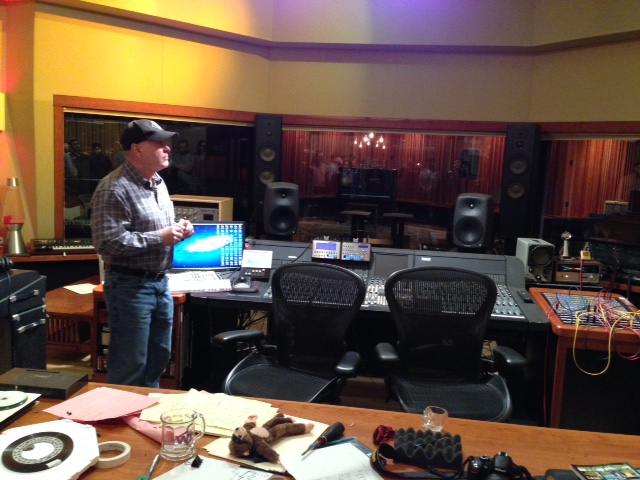
Visited a local recording studio today. One of my favourite work excursions to date – lotta music, lotta industry talk (yep, completely over my head)…but overall, super interesting – even to us audio novices.
CLICK to listen to Boulder’s Elephant Revival or visit https://elephantrevival.com/
Food for thought by Paul McGowan
My wife Terri organizes company field trips. We do two a year and they’re always welcome, fun events. This year the entire company invaded the Super Audio Center run by Gus Skinas as well as toured Immersive Studios (the only recording studio in the world with a full 32 track Sonoma DSD recording system).
Gus treated us to many sonic delights. It was a real ‘ear-opener’ to many in the company who had never heard recorded music sound so live.
One piece of information that stood out for me, relative to yesterday’s discussion about Soft Edges, was a comment Gus made about PCM vs. DSD and analog. It isn’t often we hear about the differences between the two formats from the recording engineer’s viewpoint and I found it illuminating. His comment concerned multitrack recording and mixing as most studios do today.
Multitrack recording incorporates a separate ‘track’ or, in today’s lexicon, ‘file’ for each microphone used. So, imagine we have a small group of performers: two singers, a drum kit, stand up acoustic bass and a keyboard, each separately mic’d. Each of the five microphone feeds are sent through individual A/D converters and stored on a computer’s hard drive. When it’s time to playback and mix the five channels to a stereo version, the tracks are digitally mastered according to the recording engineer’s mix and then converted to analog through a stereo D/A converter into analog. It is in the digital mixing process where the differences between PCM and DSD really become apparent.
When the recording engineer mixes the five mono channels into stereo he does so digitally and places each channel into either left, right, center, or a combination of L and R to replicate the placement of the performers in acoustic space. When the session is an analog or DSD capture, the process is straightforward and everything works according to Hoyle: each instrument occupies the correct space and the listener can easily discern their position in space: left, right, front back. But when the session is a PCM capture, the acoustic space gets muddled and more difficult to separate between instruments, requiring the recording engineer to change EQ settings and manipulate the sound of the track to get it right.
What’s fascinating about this observation is that analog, with its limited dynamics and frequency response (relative to DSD or high sample rate PCM) does not experience this issue, nor does DSD (which is closer to analog).
Interesting stuff for thought.